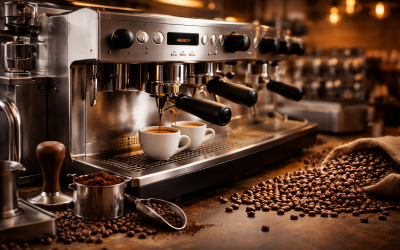
How to Choose Espresso Machines That Match Volume, Workflow, and Real Hospitality Demands
Professional coffee equipment is not just about brewing coffee — it is about consistency, speed, and reliability in real hospitality environments. This article explains what truly matters when selecting espresso coffee machines for cafés, restaurants, and bars.
We explore how volume, workflow, and barista experience directly influence equipment choice, daily operations, and long-term performance. By understanding these factors, hospitality professionals can avoid common mistakes, reduce downtime, and build a coffee setup that supports both quality and efficiency every single day.
Key Takeaways
- Professional coffee machines must match daily volume, not just brand reputation
- Workflow efficiency is as important as coffee quality
- Reliability and serviceability define long-term value
- Equipment should support baristas, not slow them down
- Correct selection reduces operational stress and hidden costs
How to Apply This in Practice
Go deeper with expert guidance and real-world support:
- Join our weekly expert sessions on YouTube
- Follow and engage with our content across our social media channels
- Book a call with one of our experts to discuss your questions
Understanding the Importance of Professional Coffee Equipment
In professional hospitality environments, coffee equipment plays a central role in daily operations. Cafés, restaurants, and bars depend on espresso machines not only to deliver quality coffee but also to maintain speed, consistency, and reliability throughout long service hours.
Unlike domestic or low-volume solutions, professional coffee machines are designed to operate continuously under pressure. Peak hours, varying barista skill levels, and changing customer demand all place stress on equipment. When machines are poorly matched to the environment, issues quickly appear — inconsistent extraction, slow service, breakdowns, and frustrated staff.
Choosing the right coffee equipment is therefore a strategic decision, not a cosmetic one. It affects workflow, staffing efficiency, maintenance costs, and ultimately the guest experience. A well-selected machine supports baristas, stabilises output, and integrates smoothly into the overall operation.
This article focuses on what truly matters when selecting professional espresso equipment: real volume, real workflow, and real hospitality conditions — not marketing promises or surface-level features.
Professional Coffee Equipment for Demanding Hospitality Environments
1. Engineered for Continuous, High-Load Operation
Professional espresso coffee machines are designed to operate continuously across long service hours, often under significant pressure. In cafés and restaurants, equipment must handle repeated brewing cycles, high water demand, and sustained thermal load without performance degradation.
Unlike domestic machines, professional equipment maintains stable pressure and temperature even during extended peak periods, reducing the risk of overheating, pressure drops, or inconsistent extraction that can compromise both workflow and coffee quality.
2. Selecting Equipment Based on Real Daily Volume
Daily volume is one of the most critical factors in choosing professional coffee equipment. Machines selected without a clear understanding of output requirements often struggle under load, leading to slower service, mechanical stress, and premature wear.
Matching espresso machines to actual cup volume ensures smoother operation, protects internal components, and allows staff to maintain consistent service speed during peak hours without overworking the equipment.
3. Workflow Design and Barista Efficiency
Coffee equipment plays a direct role in shaping workflow behind the bar. Group configuration, machine layout, steam capacity, and automation level all affect how efficiently baristas can work.
Well-designed professional setups reduce unnecessary movement, minimise waiting times between processes, and support intuitive operation. This results in faster service, reduced staff fatigue, and a more consistent experience for guests, especially during high-demand periods.
4. Consistency Independent of Individual Skill Level
In real hospitality environments, barista experience can vary across shifts, and staff turnover is inevitable. Professional coffee machines are designed to help standardise results, ensuring consistent extraction and beverage quality regardless of who is operating the equipment.
Features such as stable temperature control, programmable dosing, and reliable pressure profiles allow businesses to maintain quality standards even when skill levels differ among team members.
5. Reliable Performance During Peak Service Hours
Peak hours place the greatest stress on coffee equipment. During these moments, machines must deliver consistent results without delay or technical issues.
Professional espresso machines rely on robust internal components, precise temperature regulation, and stable hydraulic systems to perform reliably when demand is highest. This reliability protects service flow, prevents customer wait times from increasing, and reduces operational stress during critical periods.
6. Maintenance Accessibility and Serviceability
Ease of maintenance is a key factor in long-term operational reliability. Professional coffee machines are designed with service access in mind, allowing technicians to perform routine maintenance and repairs efficiently.
Accessible internal components, modular construction, and clear service points reduce downtime and minimise disruption to daily operations. This design approach helps businesses maintain continuity while controlling service-related costs over time.
7. Seamless Integration with Supporting Systems
Espresso machines do not operate in isolation. They must integrate smoothly with grinders, water treatment systems, and washing equipment to form a complete, functional setup. Proper integration ensures consistent coffee quality, protects equipment from water-related damage, and supports efficient cleaning and hygiene processes.
Thus, a well-coordinated system reduces friction in daily operations and improves overall reliability across the workspace.
8. Energy and Resource Efficiency in Daily Use
Modern professional coffee equipment balances performance with responsible energy and water usage. Efficient boilers, intelligent standby modes, and optimised water consumption help reduce operational costs without compromising output.
In hospitality environments where machines operate for extended hours, these efficiencies contribute to long-term sustainability, lower utility expenses, and a more responsible approach to daily operations.
Conclusions
Professional coffee equipment is a foundation, not an accessory, in hospitality operations. When machines are selected based on real operational needs — volume, workflow, and environment — they become a stabilising force rather than a source of problems.
The right espresso machine supports baristas, ensures consistency, and maintains speed during peak hours. It reduces stress on staff, limits service interruptions, and protects long-term investment. Conversely, poorly matched equipment creates hidden costs through breakdowns, inefficiency, and customer dissatisfaction.
By focusing on functionality rather than appearance, hospitality professionals can build coffee systems that work reliably every day. Thoughtful equipment selection is not about choosing the most expensive option, but the most appropriate one.
Recommendations
Before selecting professional coffee equipment, clearly define your daily volume, service style, and staffing structure. Avoid choosing machines based solely on brand popularity or short-term pricing. Instead, consider how the equipment will perform during peak hours, how easily it can be serviced, and how it integrates with the rest of your setup.
Common mistakes include underestimating volume, ignoring workflow, and overlooking long-term maintenance requirements. Think beyond the first year of use — professional coffee machines are long-term operational tools, not short-term purchases.
Consulting with experienced professionals and testing solutions in real conditions can prevent costly errors and ensure the equipment supports your business as it grows.
Share Your Thoughts and Experience
- Did you find this article useful?
- Share your thoughts, ideas, or insights in the comments below.
- If you have questions about coffee equipment or professional setups, our team will be happy to answer.
Book a call with one of our experts to discuss your questions